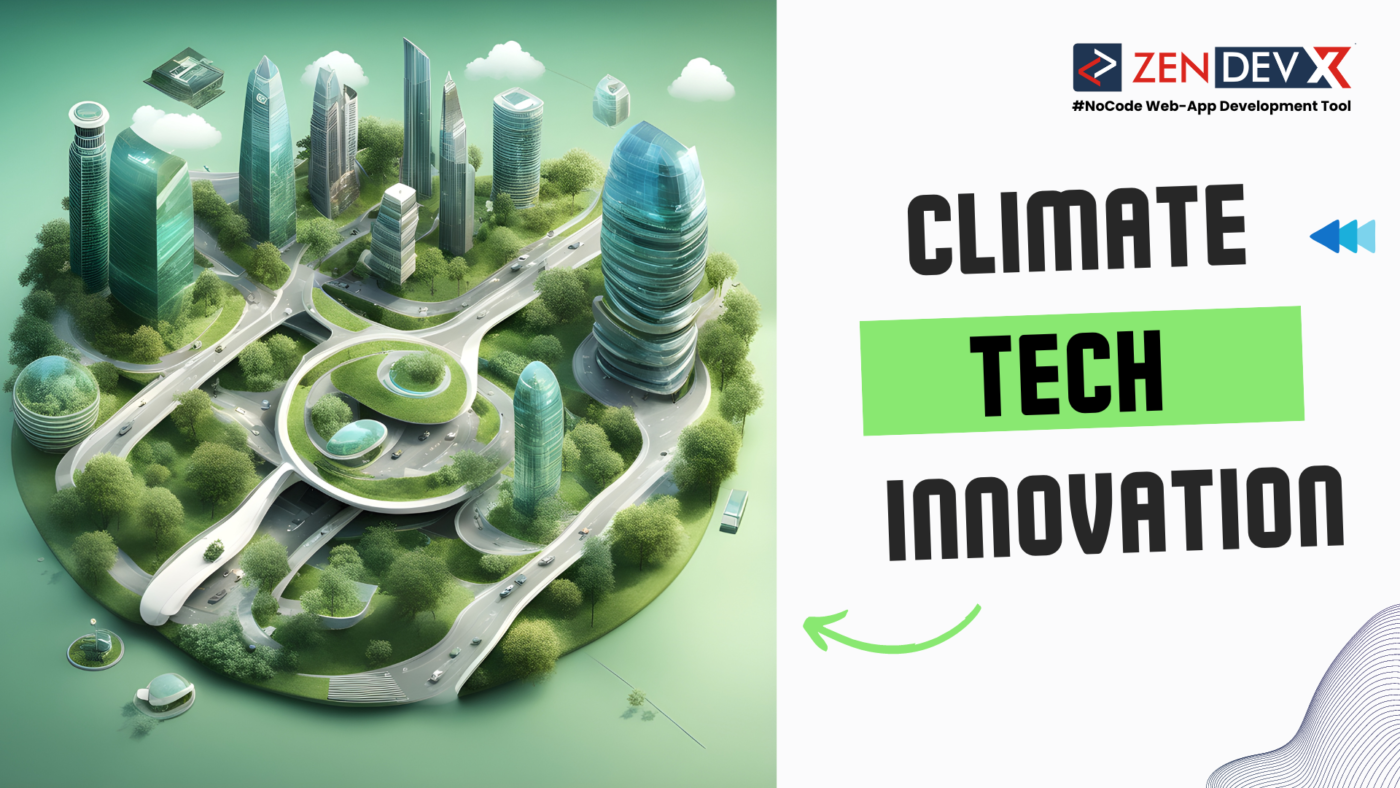
The cities of India are rapidly changing as more people move there and demand better infrastructure and living conditions. Through the ambitious Smart Cities Mission, 100 cities are to become more environmentally friendly, technologically sophisticated, and people-focused. But it begs a crucial question: can India close the present infrastructure gap to accomplish this?
Examining the Smart City Approach:
Initiated in 2015, the Smart Cities Mission aims to improve government, infrastructure, and city services through the use of technology. Goals include, among others:
- Improved infrastructure: Upgrading the transportation system, the water supply network, and the waste management facility.
- Enhanced citizen services: Delivering basic services, healthcare, and education more efficiently through technology integration.
- Sustainable development: Creating green areas, utilizing renewable energy, and using resources more wisely.
- Economic growth: Technologically based initiatives that promote original thought and business formation.
Challenges on the Path to Implementation:
Though the concept is excellent, several issues prevent smart city projects from moving forward:
- Funding constraints: The massive financial outlay required to put technology into place, construct infrastructure, and engage people is a major issue.
- Technological integration: Seamless integration of technologies and data systems into existing infrastructure requires meticulous planning and expertise.
- Citizen participation: Ensuring inclusive engagement and addressing concerns about data privacy and surveillance are crucial for gaining citizen trust and buy-in.
Learning from Success Stories:
Despite challenges, some Indian cities have made significant progress in implementing smart city initiatives:
- Pune: Their integrated traffic management system optimizes traffic flow and reduces congestion.
- Bhopal: Smart water meters have enabled efficient water management and leak detection.
- Indore: They have implemented a waste-to-energy plant converting waste into electricity.
These success stories offer valuable lessons for future development, highlighting the importance of:
- Prioritizing critical needs: Focusing on projects with tangible benefits for citizens and aligning with local priorities.
- Public-private partnerships: Leveraging private sector expertise and investment to bridge funding gaps.
- Data-driven decision making: Utilizing data collected through smart city initiatives to inform planning and interventions.
Ethical Considerations: Balancing Innovation and Privacy:
Smart cities inevitably involve data collection and use, raising concerns about:
- Data privacy: Ensuring secure data storage, transparent data governance, and citizen control over personal information.
- Surveillance: Implementing ethical guidelines for data usage and avoiding intrusive monitoring practices.
Building trust and addressing these concerns are essential for creating sustainable and inclusive smart cities.
Bridging the Gap: A Roadmap for Smart City Success:
Overcoming the challenges requires a multi-pronged approach:
- Scaling up successful solutions: Replicating and adapting best practices from existing smart city projects across different regions.
- Building capacity: Training urban administrators and personnel in smart city technologies and data management.
- Encouraging innovation: Fostering an ecosystem for startups and technology companies to develop smart city solutions.
- Engaging citizens: Creating open communication channels and participatory platforms for citizen feedback and involvement.
Conclusion:
Building smart cities in India is a complex challenge, but not an insurmountable one. By acknowledging the hurdles, learning from successes, and addressing ethical concerns, India can leverage technology to bridge the infrastructure gap and create truly sustainable, inclusive, and citizen-centric urban spaces for the future.